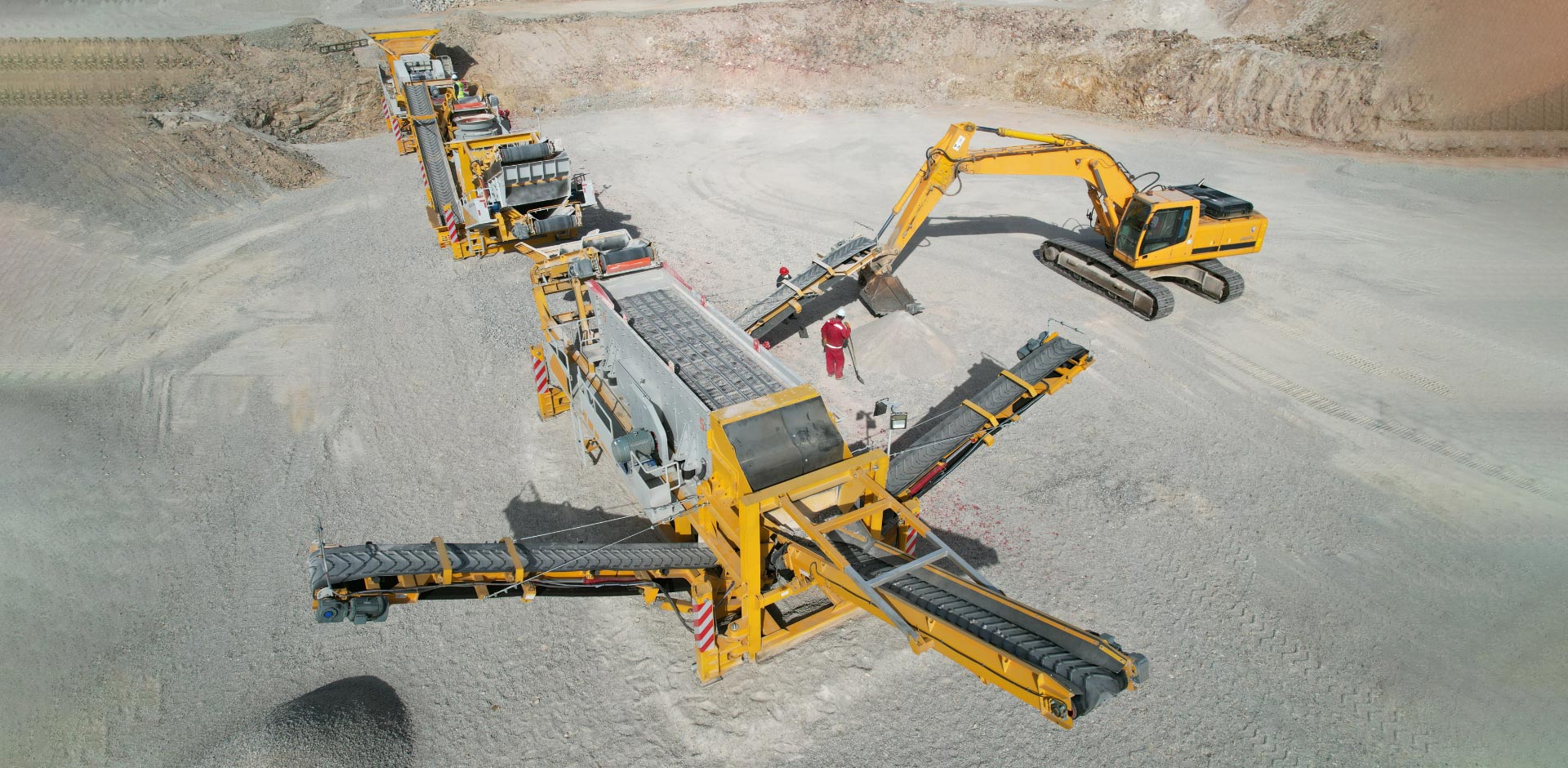
In the global building construction industry, few materials match the enduring strength, aesthetic versatility, and sheer utility of crushed granite. Derived from one of the hardest and most abundant igneous rocks on the planet, processed granite aggregate forms a foundational component of modern infrastructure, serving critical functions from the unseen sub-base of a highway to the visible, polished countertop in a luxury kitchen. Understanding the comprehensive answer to the question what is crushed granite used for is the first step in appreciating its market value. Following this, for quarry operators, civil contractors, and material producers, a logical and equally critical inquiry arises: how to choose granite crushing machinery capable of efficiently and profitably transforming raw stone into these valuable, specification-grade products. This dual focus on application and production forms the core of a successful granite aggregate business. The selection process for granite crushing machinery is a technical and economic decision that must align with the desired end-products, the rock’s inherent hardness and abrasiveness, and the scale of the operation. Whether you are a new investor browsing listings for a stone crusher for sale or an established operator looking to upgrade, this guide will connect the diverse uses of crushed granite to the specific aggregate crusher types and system configurations best suited to produce them.
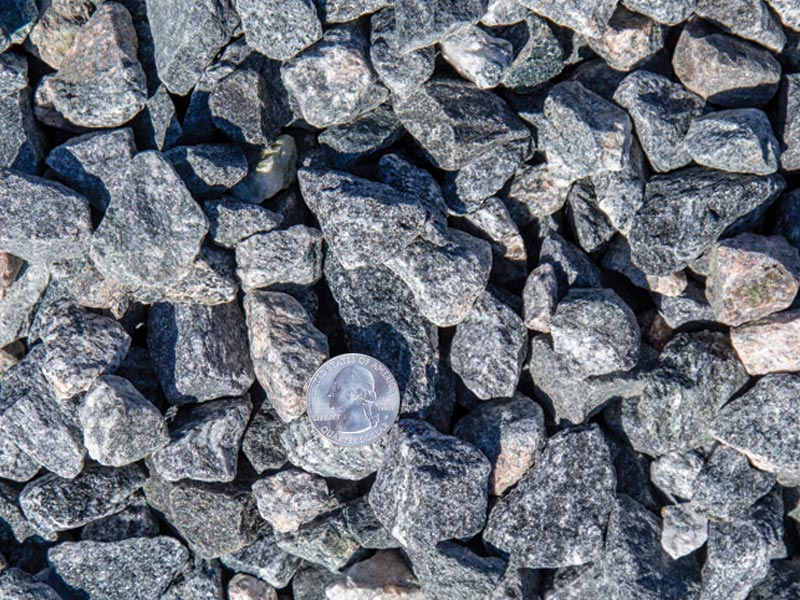
Primary and Secondary Uses of Crushed Granite in Construction
The utility of crushed granite extends far beyond simple filler material; it is engineered for performance in specific applications. In its primary, coarse form, crushed granite excels as a base and sub-base material. Its angular, interlocking particles and exceptional load-bearing capacity make it the ideal foundation for roads, highways, airport runways, and building pads. It provides superior drainage and stability, preventing shifting and settling. Larger, selectively sized pieces, known as rip-rap or rock armor, are used for erosion control on slopes, riverbanks, and coastal defenses. Moving to smaller sizes, crushed granite is a premium concrete aggregate. Its hardness and rough texture create a strong mechanical bond with cement paste, resulting in high-strength, durable concrete for critical structural elements like columns, beams, bridges, and dams. In the asphalt industry, granite chips provide the skeletal structure for pavements, offering skid resistance and durability under heavy traffic. Beyond these structural roles, crushed and finely ground granite is a key component in the manufacture of construction products like roofing shingles (as a weathering surface), as a raw material in cement kilns, and as a filler in various composites. This wide range of applications, from massive infrastructure to refined building products, creates a stable and diverse market demand for processed granite.
The Foundation: Primary Crushing for Granite
The journey from quarry block to usable aggregate begins with primary crushing, the phase dedicated to first-breaking the massive rock. Given granite’s renowned hardness and abrasiveness, this stage requires robust, heavy-duty granite crushing machinery designed for high compressive force rather than particle shaping. The two principal aggregate crusher types for this role are jaw crushers and gyratory crushers. A jaw crusher is the most common primary choice for granite quarries. It functions like a powerful mechanical vise, with a fixed jaw and a moving jaw compressing the rock until it fractures. When evaluating a stone crusher for sale for primary duty, a jaw crusher is prized for its relative simplicity, reliability, and ability to handle large feed sizes (often over 1 meter). For the largest, highest-volume mining operations where ultimate throughput is the priority, a gyratory crusher may be selected. It offers continuous crushing action and a higher capacity for a given feed opening but comes with greater complexity and cost. The primary crusher’s key output is a reduced, manageable feed size (typically under 250mm) for the next stage of processing, setting the initial tone for production capacity.
Refining the Product: Secondary and Tertiary Crushing
Material from the primary crusher requires further refinement to meet precise size and shape specifications. This is the domain of secondary and tertiary crushing, where the goal shifts toward producing cubical, well-graded aggregates. For hard, abrasive granite, the cone crusher is the unequivocal champion for these stages. It operates by compressing rock between a gyrating mantle and a stationary concave liner. This “rock-on-rock” and “rock-on-metal” compression is exceptionally effective at breaking granite while producing a reasonably cubical product and managing wear. Secondary cone crushers reduce the 250mm feed to sizes like 50mm or 40mm. Tertiary (or quaternary) cone crushers, often in a “short-head” configuration, then take this material down further to produce finer aggregates (e.g., 20mm, 14mm, 10mm) or feed for sand-making circuits. When determining how to choose granite crushing machinery for reduction, the cone crusher’s closed-side setting (CSS), hydraulic adjustment systems, and chamber design are critical specifications that directly control product size and shape. For applications where a premium on particle shape is paramount and the feed material is already reduced, a Vertical Shaft Impactor (VSI) crusher can be employed as a tertiary or quaternary machine specifically for shaping and producing high-quality manufactured sand from granite, though it may have higher wear costs than a cone crusher on this abrasive material.
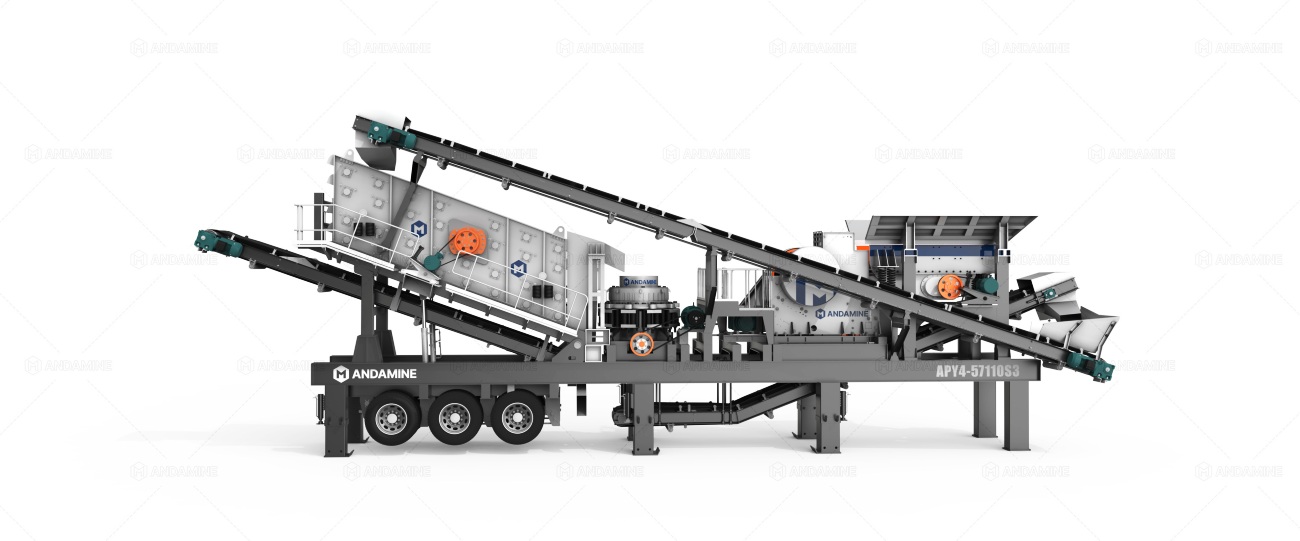
Selecting the Right System: Mobile vs. Stationary Plants
A crucial strategic decision in how to choose granite crushing machinery is selecting between a mobile or stationary crushing plant. This choice dictates your operational flexibility, capital expenditure, and suitability for the deposit. A stationary plant is a permanent installation at a quarry with a long-life reserve. It involves fixed foundations, extensive conveyor systems, and typically larger primary and secondary aggregate crusher types (like a large jaw and multiple cones). It is designed for maximum efficiency and the lowest cost per ton over decades of high-volume production. This is the standard for major aggregate suppliers. In contrast, a mobile crushing plant integrates crushers and screens on tracked or wheeled chassis. A mobile jaw crusher can serve as the primary, followed by a mobile cone or impact crusher. This system is ideal for contract crushing, smaller or multiple scattered deposits, and projects like road construction where the plant must follow the work face. When browsing a stone crusher for sale, understanding your business model—permanent quarrying versus contract mobility—is essential for selecting the right platform, as it influences not just the crushers but the entire material handling flow.
Matching Machinery to End-Use and Economic Goals
Ultimately, the final selection of granite crushing machinery must be a direct reflection of your target market and financial objectives. The machinery circuit should be engineered to produce the specific product blend that maximizes revenue. If your primary market is concrete and asphalt aggregate, your circuit will emphasize cone crushers to produce strong, cubical chips. If a significant portion of your revenue will come from manufactured sand, incorporating a VSI crusher becomes a necessary investment. The hardness of granite also means that across all aggregate crusher types, wear part consumption (mantles, concaves, jaw liners) will be a major operating cost. Therefore, selecting machinery known for durability, easy maintenance, and readily available wear parts is a key economic decision. The initial question, what is crushed granite used for, provides the product roadmap. The subsequent process of how to choose granite crushing machinery involves mapping that roadmap onto a production system—selecting the right aggregate crusher types in the correct sequence (like a primary jaw, followed by secondary/tertiary cones) and on the right platform (mobile or stationary)—to transform a raw, challenging material into a portfolio of valuable, in-demand construction products.