Mobile concrete pump, as a core equipment for efficient concrete transportation and pouring in construction projects, plays an irreplaceable role in South Africa’s infrastructure construction, urban renewal, and rural road improvement. When selecting a concrete pump truck for sale South Africa, it is not only about choosing a piece of equipment, but also about matching it with the project’s actual needs, local operating conditions, and long-term cost-effectiveness. Whether it is a large-scale project requiring a concrete boom pump for sale or a small-scale rural project suitable for a portable mini concrete pump, scientific selection can significantly improve construction efficiency, reduce failure risks, and control overall investment costs. This article will elaborate on the key steps and core considerations for choosing a mobile concrete pump truck for South African construction projects, providing practical guidance for project managers and procurement personnel.
Pre-Choice Preparation: Clarify Project Needs and Local Requirements
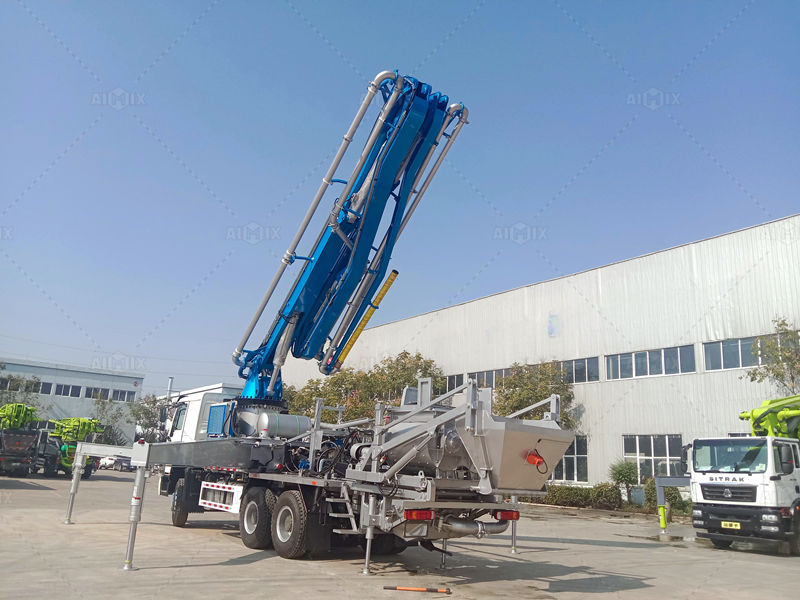
The first step in choosing a suitable mobile concrete pump truck for sale South Africa is to conduct in-depth research on the project’s specific needs and South Africa’s local operating environment, which lays the foundation for accurate selection. First, clarify the project scale and construction intensity. For large-scale infrastructure projects such as highway construction, bridge pouring, and high-rise building construction, which require large concrete output and long-distance/high-altitude pouring, a high-performance concrete boom pump for sale is the preferred choice. Its extended boom can cover a wide pouring range, reducing the need for pipeline laying and improving construction efficiency. For small-scale projects such as rural house construction, village road maintenance, and small municipal renovations, a portable mini concrete pump is more appropriate. It has the advantages of small size, light weight, and flexible mobility, which can easily adapt to narrow rural roads and limited construction space.
Secondly, analyze the local construction environment in South Africa. South Africa’s terrain is diverse, with urban areas having well-developed road networks and rural areas often having narrow, uneven dirt roads or gravel roads. When selecting a mobile concrete pump, it is necessary to focus on its mobility and off-road performance. For projects in rural areas or mountainous regions, a concrete pump truck with a high-ground-clearance chassis and strong off-road tires should be chosen to avoid being trapped or damaged due to poor road conditions. In addition, South Africa has a subtropical climate, with high temperatures and strong sunlight in summer. It is necessary to check whether the equipment’s cooling system is efficient enough to prevent overheating during long-term operation. In coastal areas, the corrosive effect of salt spray on the equipment should also be considered, so choosing models with anti-corrosion treatment on the body and key components can extend the service life.
Finally, master South Africa’s relevant industry regulations and policy requirements. When purchasing a concrete pump truck for sale South Africa, it is necessary to ensure that the equipment meets local emission standards (such as Euro V or higher) to avoid being restricted from entering the construction site due to non-compliance. At the same time, understand the local customs clearance policies and document requirements for imported equipment, such as certificates of origin, CE certification, and product quality inspection reports, to ensure smooth customs clearance and avoid delays in project progress. In addition, South Africa has strict safety regulations for construction machinery, so the selected mobile concrete pump must be equipped with complete safety protection devices, such as anti-rollover systems, overload protection, and emergency stop buttons.
Core Parameters Evaluation: Focus on Performance and Adaptability
Evaluating the core parameters of mobile concrete pump trucks is a key link to ensure that the equipment meets the project’s construction needs. When comparing different models of concrete pump truck for sale South Africa, it is necessary to focus on several core indicators: boom length and pumping height, pumping volume, power system, and hydraulic system. For boom length and pumping height, it is necessary to combine the project’s maximum pouring height and horizontal distance to select the appropriate boom length. For example, a 30-story high-rise building requires a boom length of at least 56 meters to meet the pouring needs of the top floor; for bridge construction with a long span, a boom length of 42-52 meters can cover most pouring areas. It should be noted that the longer the boom, the higher the equipment cost, so it is not advisable to blindly pursue a long boom, but to choose based on actual needs.
Pumping volume is another important parameter, which directly determines the construction progress. The pumping volume of mobile concrete pump trucks usually ranges from 30 to 120 cubic meters per hour. For projects with tight construction schedules and large concrete demand, such as large-scale foundation pouring, it is necessary to choose a model with a large pumping volume; for small-scale projects with scattered concrete demand, a model with a moderate pumping volume (30-60 cubic meters per hour) can meet the needs and avoid wasting energy. In addition, the adaptability of the equipment to different types of concrete should be considered. South African construction projects often use different grades of concrete, including high-strength concrete and self-compacting concrete. The selected mobile concrete pump should have strong pumping capacity for these special concretes, with wear-resistant conveying pipelines and a stable pumping system.
The power system and hydraulic system are the “heart” of the mobile concrete pump truck, and their reliability directly affects the stable operation of the equipment. For the power system, diesel engines are the main choice for most mobile concrete pumps in South Africa due to their strong power and wide adaptability. It is recommended to choose engines from well-known brands with good after-sales service in South Africa, such as Cummins or Deutz, to ensure easy access to spare parts and maintenance support. The hydraulic system should have stable performance and good heat dissipation. High-quality hydraulic components and pipelines can reduce the risk of oil leakage and failure. For example, some advanced models are equipped with a dual hydraulic pump system, which can improve pumping efficiency and stability. For portable mini concrete pumps used in remote areas, the simplicity and reliability of the power and hydraulic systems are more important, as complex systems may increase maintenance difficulty and cost.
Local Adaptation: Prioritize Equipment Compatibility with South African Conditions
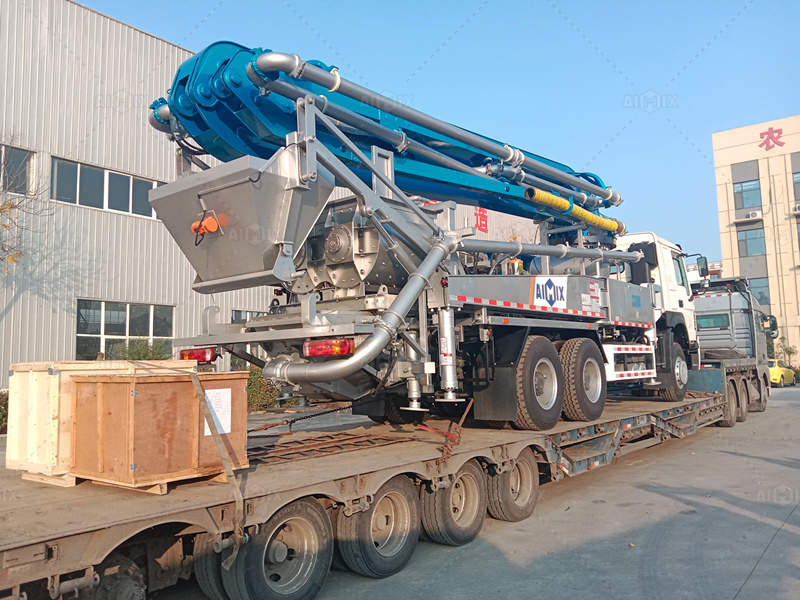
When choosing a mobile concrete pump truck for sale South Africa, it is crucial to prioritize the equipment’s compatibility with local conditions, which directly affects the practicality and long-term cost-effectiveness of the equipment. First, focus on the adaptability of the chassis and tires. South Africa’s rural and mountainous areas have complex road conditions, with many potholes and steep slopes. The chassis of the concrete pump truck should have strong bearing capacity and stability. Tire selection should be based on the main construction area: for asphalt roads in urban areas, ordinary pneumatic tires can be used; for dirt roads and gravel roads in rural areas, off-road tires with deep treads and strong grip are more suitable to ensure smooth transportation between sites.
Secondly, consider the adaptability of the equipment to local energy supply. Although most mobile concrete pumps use diesel engines, some small-scale projects or indoor construction may require electric-powered portable mini concrete pumps. At this time, it is necessary to confirm that the equipment’s voltage and frequency match South Africa’s standard power supply (230V/400V, 50Hz). If the project is located in a remote area with unstable power supply, it is recommended to choose a model with a dual power system (diesel + electric), which can switch between power sources according to actual conditions, ensuring construction continuity. In addition, the fuel efficiency of diesel-powered equipment should be considered. South Africa’s fuel prices are relatively high, so choosing a model with low fuel consumption can significantly reduce long-term operating costs.
Finally, pay attention to the availability of spare parts and after-sales service in South Africa. No matter how reliable the mobile concrete pump is, it may require maintenance and spare parts replacement during long-term use. When selecting a supplier, it is necessary to confirm whether they have a complete after-sales service network in South Africa, including local maintenance points, professional technicians, and sufficient spare parts inventory. For example, some well-known international brands have established after-sales service centers in major South African cities such as Johannesburg and Cape Town, which can provide timely maintenance and spare parts supply. For concrete boom pump for sale with complex components, the availability of local after-sales service is particularly important, as it can reduce equipment downtime and avoid affecting construction progress.
Supplier Selection: Ensure Product Quality and Service Guarantee
Choosing a reliable supplier is an important guarantee for purchasing a high-quality mobile concrete pump truck for sale South Africa. When evaluating suppliers, it is necessary to comprehensively consider their brand strength, product quality, after-sales service, and local reputation. First, prioritize suppliers with rich experience in the South African market. These suppliers have a deep understanding of local construction needs and policy requirements, and can provide more targeted product recommendations and solutions. It is recommended to check the supplier’s past project cases in South Africa, such as cooperation with local construction companies or government infrastructure projects, to verify their product adaptability and service level.
Secondly, strictly inspect the product quality and certification of the supplier. The selected mobile concrete pump truck should have passed international quality certifications such as CE and ISO, and meet South African local product standards. It is necessary to require the supplier to provide product quality inspection reports, performance test data, and warranty certificates. For key components such as the engine, hydraulic system, and boom, it is recommended to confirm their brand and quality assurance period. In addition, it is a good idea to conduct on-site inspections of the supplier’s production workshop or local demonstration sites to observe the equipment’s manufacturing process and actual operating performance. For portable mini concrete pumps, which are often used in small projects, product quality and durability are still crucial, so it is not advisable to choose low-cost, uncertified products.
Finally, clarify the after-sales service commitments of the supplier. A complete after-sales service package should include on-site installation and commissioning, operator training, warranty service, and emergency maintenance. When signing the purchase contract, it is necessary to clearly stipulate the warranty period (usually 1-2 years for the whole machine and longer for key components), the scope of warranty services, and the response time for maintenance requests (preferably within 24 hours for local service points). The supplier should also provide systematic training for the project’s operators, including equipment operation specifications, daily maintenance methods, and common fault handling, to ensure that the operators can use the equipment correctly and reduce the risk of man-made failures. In addition, some suppliers offer customized services, which can adjust the equipment’s configuration according to the project’s specific needs, such as modifying the boom length or adding special safety devices, which is particularly useful for projects with special construction requirements.
Practical Verification: Test and Evaluate Before Final Purchase
Before finalizing the purchase of a mobile concrete pump truck for sale South Africa, conducting practical verification is an effective way to ensure that the equipment meets the project’s needs. First, conduct a test run of the equipment. It is recommended to test the equipment under conditions similar to the actual construction scenario, such as testing the pumping performance at the maximum height and distance, checking the stability of the boom during operation, and observing the operation of the power and hydraulic systems. For portable mini concrete pumps, test their mobility and adaptability in narrow spaces or on uneven roads. During the test run, pay attention to whether there are abnormal noises, vibrations, or oil leaks in the equipment, and record key data such as pumping volume, fuel consumption, and operating temperature.
Secondly, consult the feedback of other local users. Understanding the actual use experience of the same model of equipment in South African projects can provide valuable references. It is possible to contact local construction companies or industry associations to learn about their evaluations of different brands and models of mobile concrete pumps, including product quality, reliability, after-sales service, and operating costs. If the supplier has local customers, it is also a good idea to visit their construction sites to observe the equipment’s actual operation and communicate with the operators about their usage experience. This can help avoid choosing equipment that is not suitable for local conditions or has poor reliability.
Finally, compare the cost-effectiveness of different options. Cost-effectiveness is not just about the initial purchase price, but also includes long-term operating costs, maintenance costs, and residual value. When comparing quotes from different suppliers, it is necessary to clarify the scope of the quote, including whether it includes transportation, installation, training, and after-sales service. At the same time, estimate the long-term costs such as fuel consumption, spare parts replacement, and maintenance based on the equipment’s performance parameters and user feedback. A model with a slightly higher initial price may have lower long-term operating costs and higher residual value, making it more cost-effective in the long run. For example, a high-quality concrete boom pump for sale may have a higher purchase price, but its fuel efficiency is better, failure rate is lower, and residual value is higher, which can save costs for the project in the long term.
In conclusion, choosing a suitable mobile concrete pump truck for sale South Africa requires comprehensive consideration of project needs, local conditions, equipment performance, supplier strength, and cost-effectiveness. By clarifying project requirements, evaluating core parameters, prioritizing local adaptation, selecting reliable suppliers, and conducting practical verification, project managers can select equipment that meets the actual needs of South African construction projects. Whether it is a large-scale concrete boom pump for sale or a flexible portable mini concrete pump, the key is to ensure that it is compatible with local construction conditions and can provide stable and efficient service. With the right mobile concrete pump, construction projects in South Africa can improve efficiency, reduce costs, and ensure smooth progress, contributing to the development of the local construction industry.