The moment of quote delivery is often accompanied by a distinct sense of unease. You have requested mobile batching plant price, the supplier has responded with a document laden with numbers, and yet a fundamental question lingers: what, precisely, am I receiving for this expenditure? The mobile batching plant market is notoriously opaque regarding inclusions. Two quotes for ostensibly similar plants can differ by thirty percent or more, with the variance explained not by quality differences but by what each supplier has chosen to include—or exclude—from the base price.
A seasoned procurement professional understands that the quoted number is merely the opening move in a longer negotiation. The inexperienced buyer, however, may mistake a stripped-down base price for a bargain, only to discover that essential components—the control cabin, the aggregate feeding system, the cement silo—are listed as optional extras. This article dissects the anatomy of a mobile batching plant quotation, identifying the line items that should be present, the omissions that signal future cost escalation, and the questions that every buyer must ask before signing. Knowledge of these details transforms the quote from a source of confusion into a tool for accurate budget comparison.
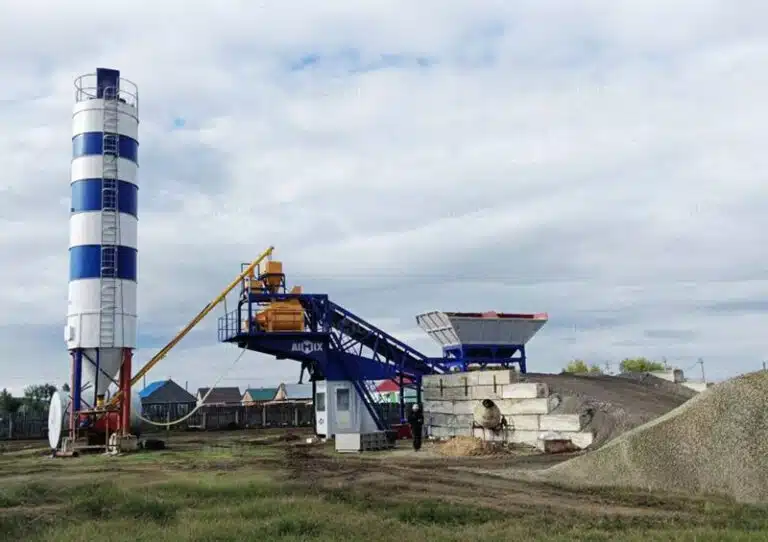
Core Equipment: What the Base Price Typically Includes
The Batching Unit and Mixing Mechanism
The heart of any mobile batching plant is the batching unit itself. A legitimate base quotation will include the mainframe structure, the aggregate weighing hopper with its load cells, the cement weighing system, the water and admixture metering systems, and the mixing unit—typically a twin-shaft or planetary mixer depending on the intended application. The specification of the mixer matters considerably. A quote that lists only the mixer volume without detailing the liner material (hardened steel versus rubber), the blade configuration, or the drive motor power is incomplete. Reputable suppliers specify the mixing cycle time and the rated output in cubic meters per hour under standard conditions.
The base price should also include the control system that orchestrates these components—usually a PLC-based panel with a human-machine interface display. However, vigilance is required here. Some suppliers quote the control panel but exclude the pre-wired cabling between the panel and the individual motors, treating this as a site installation expense. Others include the software license for basic operation but charge separately for advanced features such as batch reporting, remote diagnostics, or integration with enterprise resource planning systems. The prudent buyer requests a schematic of the electrical architecture alongside the quote, ensuring that no critical wiring or control components have been relegated to the fine print.
The Mobile Chassis and Transport Configuration
The defining characteristic of a mobile plant is its ability to relocate between job sites. This mobility is enabled by the chassis—a structural steel framework mounted on axles with pneumatic tires, complete with landing legs, towing hitch, and road lighting. A complete quotation includes the chassis as standard. Yet some suppliers offer what might be termed “semi-mobile” plants under the mobile label, meaning the portable concrete batch plant for sale can be disassembled into modules for transport but lacks an integrated towing configuration. The distinction carries significant operational implications. A true mobile plant arrives at a new site, is disconnected from the tow vehicle, leveled using its integral jacks, and is producing concrete within hours.
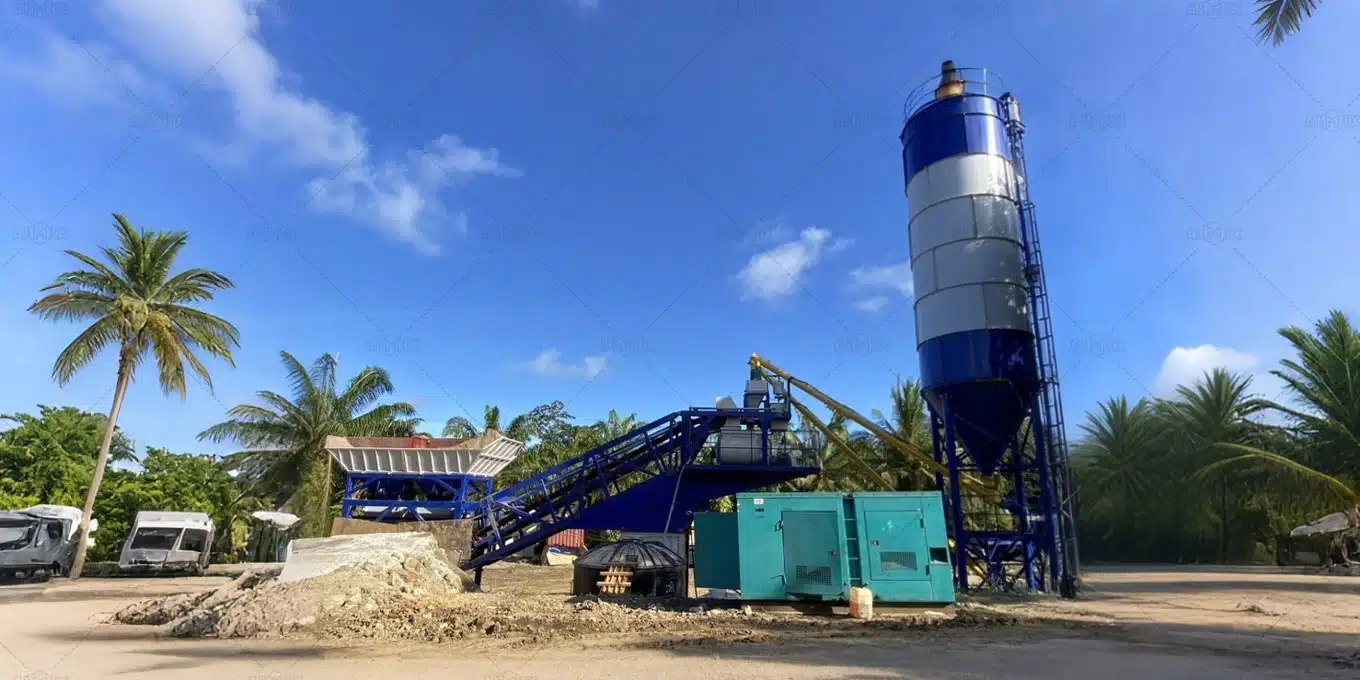
A semi-mobile unit requires crane lifting to reposition modules, extending setup time and necessitating specialized lifting equipment. The quotation should specify the transport dimensions—height, width, and length—when configured for road travel, as oversize loads require permits and escorts that add substantially to relocation costs. Furthermore, the base price should include the axle configuration and tire specification suitable for the buyer’s typical site access conditions. A plant designed for paved road transport may bog down in the mud of a remote construction site, an outcome that no quotation disclaimer will remedy.
Ancillary Systems Often Excluded from Initial Quotes
Cement Storage and Material Handling Equipment
The most common source of post-quote cost escalation is the ancillary equipment required to feed the batching plant. A mobile plant’s base configuration includes a cement weighing system, but it rarely includes the cement silo from which that system draws material. Silo pricing depends on capacity—typically ranging from thirty to one hundred tons—and on features such as dust collection filters, pressure relief valves, and level indicators. Some suppliers offer a discounted package when the silo is purchased with the plant; others treat the silo as a separate line item entirely, often at a price that exceeds what a local fabricator would charge.
Similarly, the aggregate feeding system demands scrutiny. The base plant includes the aggregate weighing hopper, but the means of filling that hopper—whether a charging skip, an inclined belt conveyor, or a wheel loader—is frequently excluded. A plant quoted without a clear specification of the feeding method is a plant that will require additional capital investment before it can produce its first cubic meter. The quotation should also address water supply. While the plant includes a water meter and pump, the water storage tank—whether an integral tank mounted on the chassis or a separate ground tank—is sometimes omitted, as is the plumbing connecting the tank to the plant. Each of these omissions represents a cost that the buyer must absorb during installation, eroding the apparent savings of a low base concrete plant price.
Erection, Commissioning, and Training
The transition from delivered equipment to operational plant involves activities that are notoriously absent from initial quotations. Delivery terms are the first variable. A quote stating “ex-works” means the buyer assumes responsibility for loading at the supplier’s factory, freight, insurance, customs clearance, and offloading at the destination. A “CIF” (cost, insurance, freight) quote includes delivery to the destination port but not inland transport to the site. Only a “DDP” (delivered duty paid) quotation covers delivery to the final location with all costs included. Beyond delivery, the erection and commissioning scope requires explicit definition.
Some suppliers include supervision of erection by a factory technician, with the buyer providing local labor and lifting equipment. Others include full erection and commissioning as a separate fee, calculated on a daily rate basis plus travel and accommodation expenses for the technician. Training similarly varies. The minimum acceptable inclusion is familiarization training for operators and maintenance personnel conducted during commissioning. However, comprehensive training—covering preventative maintenance schedules, troubleshooting common faults, and software operation—may be offered only as a paid add-on. The wise buyer requests a detailed scope of work for erection, commissioning, and training before comparing quotes, converting these variable costs into comparable line items.
Hidden Variables That Affect Total Ownership Cost
Warranty Terms and Spare Parts Availability
The quoted price tells only part of the story. The warranty terms that accompany that price determine the buyer’s exposure to early equipment failure. Standard warranties in the mobile concrete batching plant industry range from twelve to twenty-four months, but the coverage details matter enormously. A warranty that covers parts but excludes labor, travel time, and technician accommodation is substantially less valuable than one providing comprehensive coverage. Similarly, warranties that exclude wear items—mixer blades, liner plates, conveyor belts—may leave the buyer facing significant expenses within the first months of operation.
The quotation should specify the warranty period, the inclusions and exclusions, and the response time commitment for warranty claims. Equally important is the supplier’s spare parts strategy. A low-priced plant from a distant manufacturer offers little value if common replacement parts require six weeks for delivery. The quotation should identify the local spare parts stockist, if any, and provide a price list for the most frequently replaced components. Some suppliers offer a recommended spare parts kit as a separately priced line item, a prudent purchase that prevents downtime while awaiting routine shipments. These variables—warranty quality and parts availability—do not appear in the quoted price but will manifest in the plant’s operating budget over time.
Site Preparation and Utility Connection Costs
The final category of hidden cost relates to what must happen before the ready mix concrete plant can operate. The quotation assumes a level, stable surface capable of supporting the plant’s weight during mixing, a condition that many sites do not meet without preparation. Concrete foundation pads, drainage trenches, and access roads are invariably the buyer’s responsibility. The plant’s electrical requirements demand attention.
While the plant includes a main control panel, the supply cable from the site distribution board to the plant, along with any step-down transformers or voltage stabilization equipment, is rarely included. Similarly, compressed air for the control system and silo aeration—if the plant uses pneumatic components—requires an air compressor that the buyer must source separately. These connection costs, when tallied, can add fifteen to twenty-five percent to the total project expenditure. The complete buyer requests a site requirements document alongside the quotation, listing every external input—power, water, compressed air, foundation specifications—that the buyer must arrange. This document transforms hidden costs into planned expenses, ensuring that the plant price quoted is the price paid, not merely the price at which negotiations began.