The core conclusion is that when evaluating a hot mix plant supplier for high‑density municipal roads construction, auditors must require empirical proof that an asphalt mixer plant’s active noise attenuation and multi‑stage blue‑smoke filtration work under real deployment constraints—specifically for mobile asphalt batching plant use within 5km of residences to meet tight compaction windows. Rather than accepting specifications alone, procurement should insist on measured sound‑power maps, in‑situ filtration efficiency trials against ultrafine particulates and condensable vapors, and documented operational procedures that preserve mix temperature while minimizing disturbance and emissions during rapid mobilization. The following sections outline three technical audit tiers that convert vendor claims into verifiable performance evidence for urban deployment.
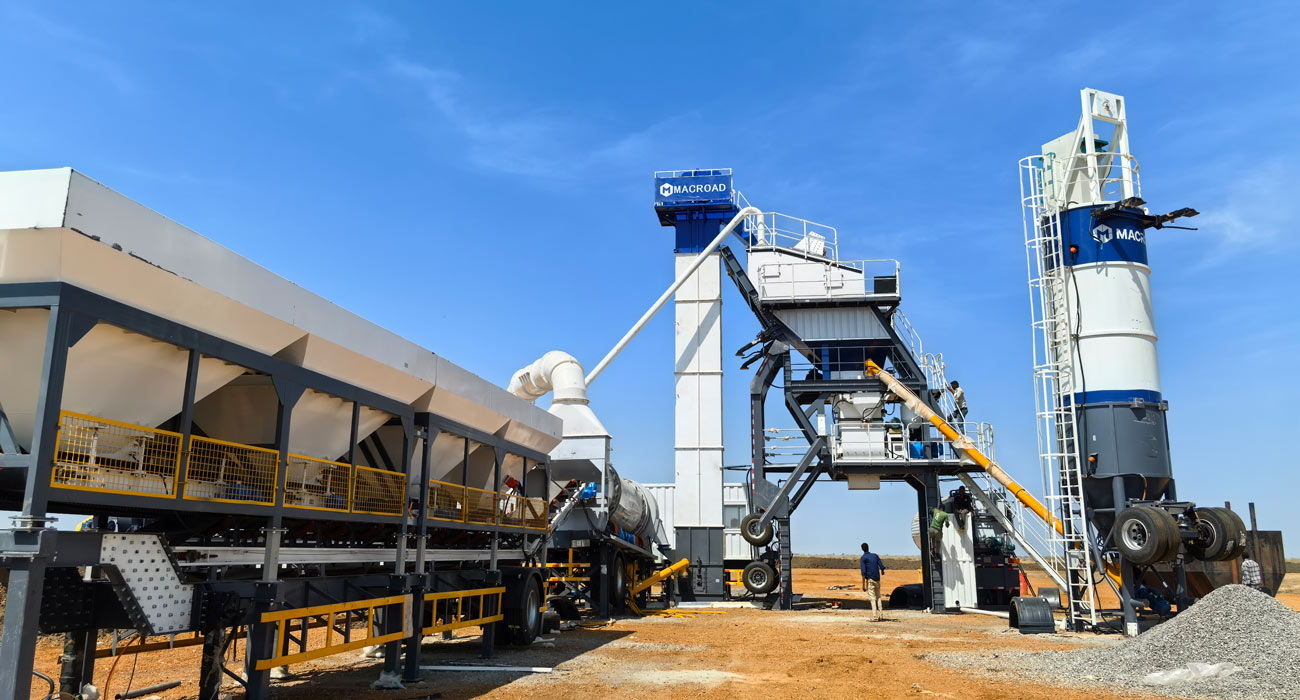
Measure in‑situ acoustic performance and attenuation strategy
Start by demanding on‑site acoustic validation rather than laboratory ratings. Because residential proximity amplifies community impact, require the supplier to provide sound‑power level maps during representative production runs of the asphalt mixer plant. Consequently, collect octave‑band measurements at defined receptors and compare to local night‑day limits or project thresholds. Therefore, an effective audit differentiates between broadband reductions and targeted tonal suppression: mobile plants often generate low‑frequency tonal noise from fans and burners that penetrate housing.
Moreover, inspect active attenuation hardware and control logic. Some systems use active cancellation at fan outlets, variable‑speed drives, and acoustically lined plenums; thus, observe these devices under load and demand vendor documentation showing attenuation across the frequency spectrum. Additionally, verify that attenuation measures can operate while the mobile asphalt batching plant maintains required production rates—downsizing fans to reduce noise must not compromise drying or mixing cycles.
Also, evaluate installation and setback strategies. Because site constraints can limit buffer distances, require plans that combine physical barriers, temporary acoustic enclosures for high‑noise components, and operational timing windows aligned with compaction needs to minimize disturbance without delaying production.
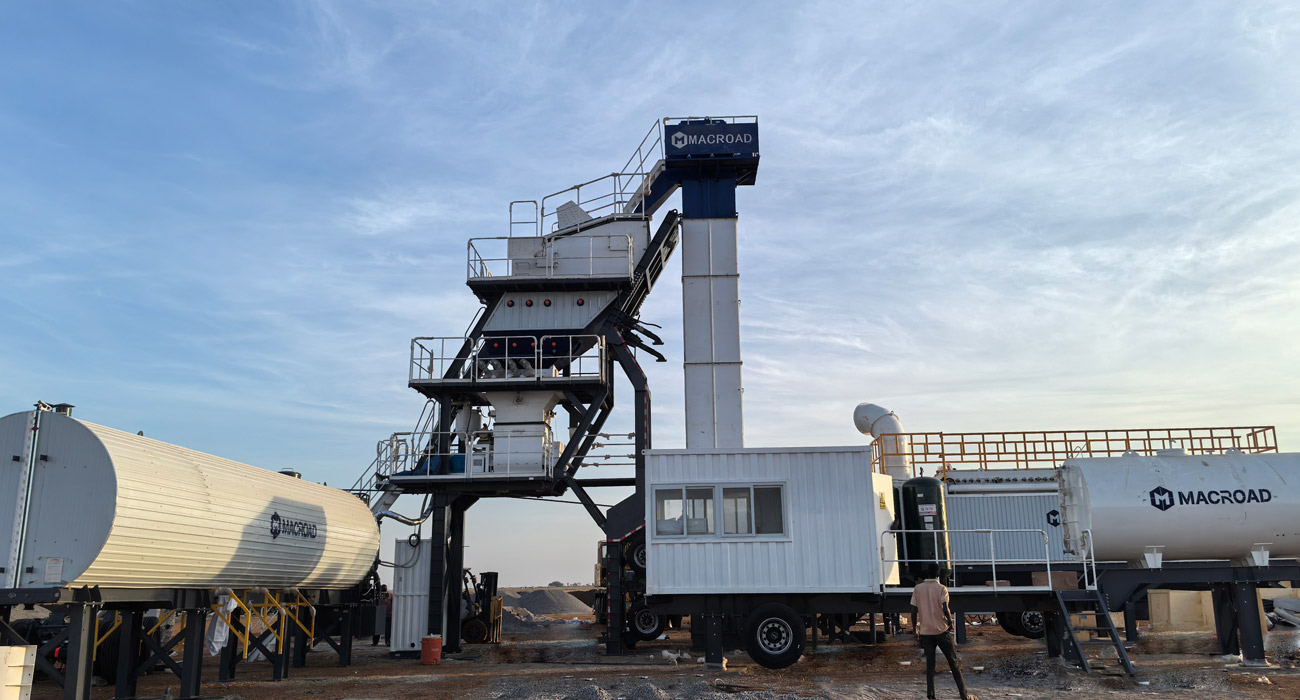
Validate multi‑stage blue‑smoke filtration under thermal and humidity stress
Next, focus on the filtration chain that controls blue‑smoke—condensed fines and volatile organics produced during heating. For meaningful validation, the hot mix plant supplier must demonstrate multi‑stage capture: primary cyclonic/separator stages, secondary fabric or cartridge filtration, and tertiary adsorption or electrostatic polishing for condensables. Therefore, request measured particulate mass and number concentrations upstream and downstream during full‑load operations with realistic feed moisture and binder types.
Furthermore, require tests that replicate the mobile asphalt batching plant’s hot‑start and hot‑stop cycles since transient conditions can spike emissions. Measure ultrafine particulate (UFP) counts and condensable organic fraction during recipe changes and binder additions. Consequently, verify that filters maintain efficiency and that purge or cleaning cycles do not produce uncontrolled emissions into nearby neighborhoods.
Besides, confirm disposal and regeneration procedures. Filter cleaning frequency and handling protocols affect ongoing emissions and community exposure; thus, review containment, waste handling, and spare filter logistics to ensure continuous compliance during sustained urban runs.
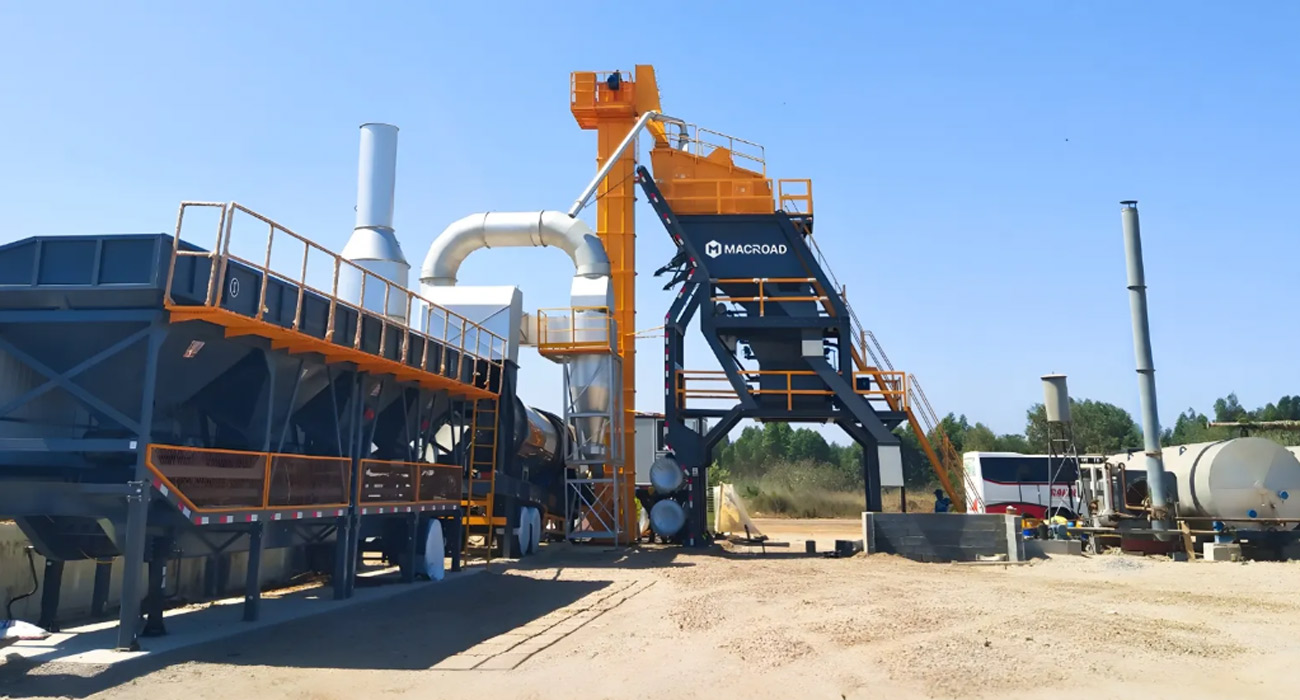
Assess operational integration: temperature windows, logistics, and monitoring
Finally, evaluate how the asphalt mixer plant integrates noise and filtration control with rapid temperature‑sensitive operations required for urban high‑modulus base layers. Insist on documented procedures that allow maintenance of mix temperature while operating attenuation and filtration systems—this includes staggered burner modulation, insulated conveyor covers, and controlled transfer sequencing to avoid re‑heating or extended exposure times.
Moreover, require continuous monitoring systems: real‑time dB monitoring at receptor points, stack and near‑field emissions sensors, and automated alarms tied to corrective actions. Therefore, a hot mix plant supplier must show recorded logs from pilot runs and provide maps linking monitoring outputs to operational adjustments.
Also, review emergency protocols for filter failures or noise exceedances that preserve compaction windows—such as temporary sheltered laydown or controlled short‑term reheats—so community impact and pavement quality are both managed.
Conclusion
Technically evaluate a hot mix plant supplier by insisting on in‑situ acoustic mapping, rigorous multi‑stage blue‑smoke filtration trials under transient loads, and integrated operational procedures that maintain mix temperature while protecting nearby residents. Only empirical, site‑specific evidence will ensure a mobile asphalt batching plant can meet municipal roads construction demands within 5km of housing without unacceptable disturbance.