In modern shipyards and marinas, the boat travel lift has become an indispensable tool for lifting, transporting, and maintaining vessels of all sizes. These specialized mobile gantry cranes, also known as boat hoists, offer capacities ranging from 10 tons up to 1,200 tons, enabling operators to handle everything from small recreational boats to large commercial ships and yachts. Selecting the correct lift capacity is crucial, as it directly affects operational safety, efficiency, and the longevity of both the equipment and the vessels being handled.
Understanding Boat Travel Lift Capacity
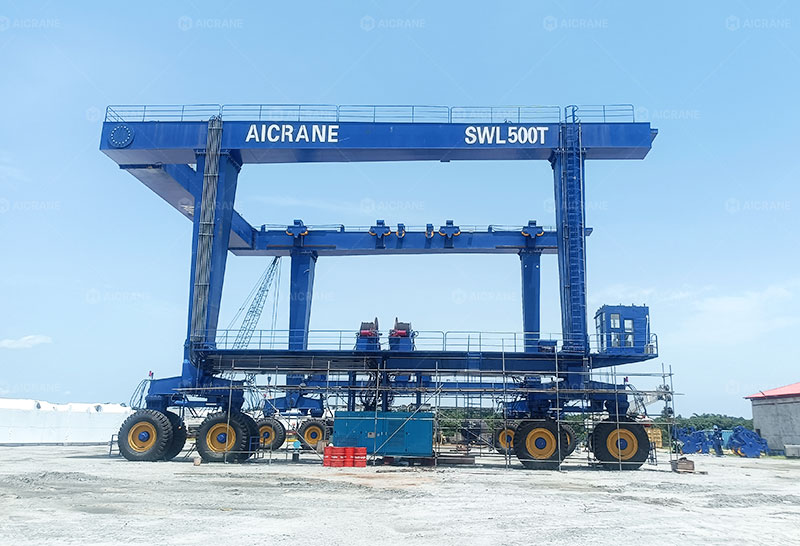
The rated capacity of a boat travel lift for sale indicates the maximum weight it can safely lift, including the vessel, onboard equipment, and sometimes minor cargo. Unlike stationary cranes, travel lifts are mobile, traveling over soft or uneven surfaces, which makes their capacity rating particularly important. Overloading or underestimating vessel weight can result in structural stress, tipping hazards, and operational delays.
Boat travel lifts are engineered with heavy-duty steel frames, hydraulic hoists, or electric winches to accommodate different capacity ranges. For instance, a 10–50 ton lift is often suitable for small pleasure boats and catamarans, while 200–1,200 ton lifts are designed for luxury yachts, naval vessels, or commercial ships. Choosing a lift with a capacity close to your maximum expected vessel weight, plus a safety margin, ensures safe and efficient operations.
Assessing Vessel Weight and Distribution
The first step in selecting a boat travel lift is to accurately determine the vessels’ weight and load distribution. Large vessels may have heavy engines, fuel tanks, or onboard equipment concentrated at the stern or bow, creating uneven weight distribution. In these cases, shipyard cranes with adjustable lifting slings, multiple hoist points, or spreader beams are necessary to maintain balance and prevent hull stress during lifting.
For shipyards handling a wide range of vessels, it is often more practical to operate multiple lifts with different capacities. For example, a 50-ton lift can manage mid-size boats, while a 600-ton lift handles superyachts. This segmentation ensures each lift operates within its optimal load range, reducing mechanical strain and maintenance requirements.
Safety Margins and Operational Considerations
Safety is paramount when lifting vessels. Industry best practices recommend adding a 10–25% safety margin to the maximum vessel weight. For example, if a vessel weighs 900 tons, a lift rated for 1,000–1,100 tons would provide a safe operational buffer. This margin accounts for additional weight from fuel, water, onboard equipment, and dynamic forces during lifting or movement.
Operational factors also influence capacity selection. Lifts that are used frequently or for continuous heavy-duty operations require additional capacity to minimize wear on hydraulic systems, cables, and structural components. Selecting a lift with a slightly higher capacity than required reduces stress on critical parts, extends equipment lifespan, and ensures consistent performance.
Types of Boat Travel Lifts and Capacity Implications
1. Mobile Gantry Lifts:
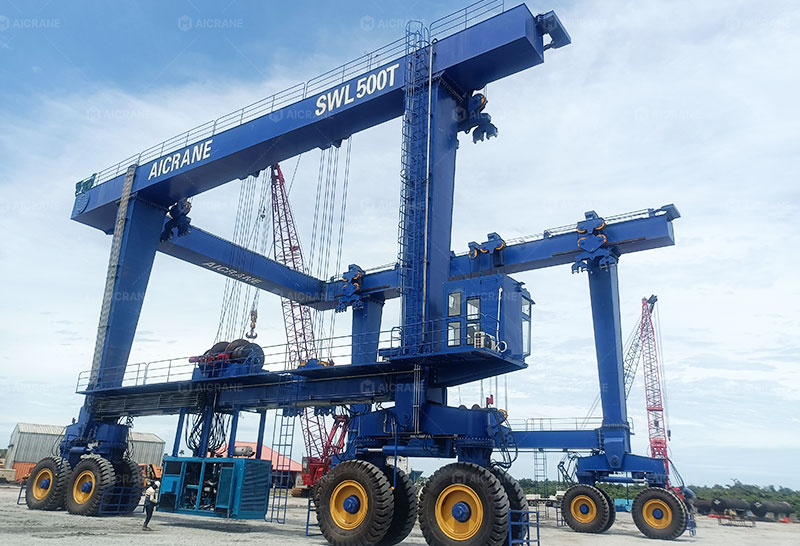
These are the most common type of boat travel lift, featuring rubber tires or tracks for mobility within the shipyard. Their modular design allows adjustments to lift width, sling placement, and lifting height, accommodating vessels from 10 to 1,200 tons.
2. Hydraulic Lifts:
Hydraulic lifts provide precise lifting control, ideal for sensitive hulls and delicate marine finishes. Capacity is determined by cylinder size and hydraulic pressure; operators must ensure the hydraulic system matches or exceeds the maximum expected load.
3. Electric Hoist Lifts:
Electric hoist systems offer smoother and more controlled lifting for high-frequency operations. They are ideal for medium-to-large vessels, but proper capacity specification is essential to avoid motor strain and cable wear.
Environmental and Site Considerations
Shipyard location and environmental conditions also affect lift capacity selection. Outdoor lifts must withstand wind forces, tides, and uneven surfaces. For example, lifting a 500-ton vessel in an exposed area may require a marine hoist with an additional capacity buffer to counteract wind-induced lateral forces. Additionally, marine environments, particularly saltwater exposure, demand corrosion-resistant materials and coatings to maintain structural integrity over time.
Maintenance and Lifecycle Planning
Boat travel lifts operate in harsh conditions, often lifting extremely heavy loads. Regular inspection and maintenance are crucial to ensure the lift maintains its rated capacity safely. Overloading, even occasionally, accelerates wear on cables, hoists, and hydraulic components, potentially reducing effective capacity. Choosing a lift with a higher capacity than the heaviest vessel handled helps absorb minor overloads without compromising safety, prolonging both equipment and vessel life.
From a lifecycle cost perspective, investing in a slightly over-capacity lift can reduce long-term maintenance costs and prevent operational downtime. For large commercial shipyards handling vessels up to 1,200 tons, this consideration is particularly critical.
Regulatory Compliance
Compliance with international standards and certifications ensures that boat travel lifts operate safely and reliably. Standards from organizations such as the American Boat and Yacht Council (ABYC), ISO, and European CE directives provide guidelines for load testing, structural design, and maintenance schedules. Selecting lifts with proper certification not only enhances safety but also supports insurance requirements and legal compliance.
Case Example: Multi-Capacity Strategy
A commercial shipyard handling vessels from 10 to 1,200 tons may deploy multiple travel lifts strategically:
- 10–50 ton lifts for small pleasure boats and fishing vessels.
- 100–300 ton lifts for mid-size yachts and commercial vessels.
- 600–1,200 ton lifts for superyachts and naval ships.
Each lift is selected with a 10–20% safety margin above the maximum vessel weight. Adjustable lifting slings and spreader beams allow the safe handling of vessels with uneven weight distributions, ensuring operational efficiency and safety across all vessel classes.
Conclusion
Choosing the right capacity for shipyard boat travel lifts is a critical decision that balances vessel weight, safety margins, operational frequency, environmental conditions, and long-term maintenance. Understanding the load requirements of the vessels you handle, incorporating safety buffers, and aligning lift type with operational needs ensures safe, efficient, and reliable operations.
A well-selected boat travel lift from Aicrane not only protects valuable vessels and shipyard personnel but also enhances workflow efficiency and reduces equipment downtime. For shipyards and marinas handling a wide range of vessels – from 10 tons small boats to 1,200-ton superyachts – investing in appropriately rated travel lifts is essential for long-term operational success and safety.