Latin America’s island nations and coastal cities present unique challenges for road construction due to logistical constraints, space limitations, and environmental conditions such as high humidity, salt air, and variable terrain. Deploying a mobile asphalt plant in these regions offers flexibility, rapid setup, and localized production, which is crucial for maintaining high-quality asphalt mix while minimizing transportation costs and delays. In this article, we explore practical deployment strategies for mobile asphalt plants, small asphalt plants, and drum mix asphalt plants in island countries and coastal urban environments, with a focus on optimizing efficiency and sustainability.
Understanding the Unique Requirements of Island and Coastal Projects
Island and coastal construction projects differ significantly from inland projects. Transporting aggregates, asphalt binder, and equipment to islands often involves ferries, barges, or limited port facilities. Coastal cities may face tight urban spaces and busy traffic conditions that restrict plant placement. These factors directly impact the choice and deployment of asphalt plants.
Transportation and Logistics Challenges
One of the primary advantages of a mobile asphalt plant(planta asfáltica móvil) is its transportability. Mobile asphalt plants can be disassembled, shipped in containers or on flatbed trucks, and reassembled quickly on-site. This flexibility is particularly beneficial for Latin American island nations such as the Dominican Republic, Puerto Rico, and Cuba, where port access and transport routes may be constrained.
Small asphalt plants are often deployed in these areas because they occupy less space, require fewer resources to operate, and can be relocated easily between projects. By contrast, drum mix asphalt plants, while capable of high-capacity continuous production, require careful planning regarding site access, power supply, and storage facilities.
Environmental and Climatic Considerations
Coastal cities and island regions are characterized by high humidity, saline air, and occasional heavy rainfall. These conditions affect both the operation of the plant and the quality of the asphalt mix. Mobile asphalt plants and small asphalt plants equipped with advanced temperature control and insulated storage silos help maintain consistent mix quality despite rapid changes in ambient conditions.
In tropical coastal climates, asphalt plant operators must account for moisture in aggregates and the potential for rapid cooling during transport. Drum mix asphalt plants often incorporate continuous drying systems to address these challenges, ensuring proper coating of aggregates with the asphalt binder.
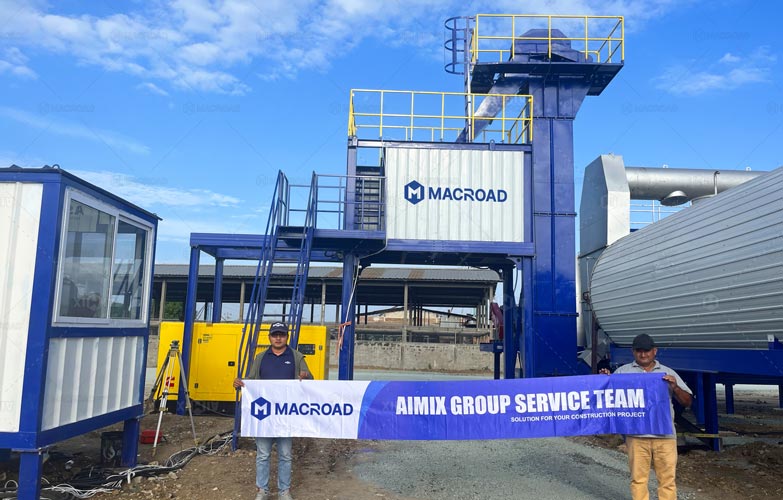
Site Selection and Layout Planning
Choosing an optimal site for a mobile asphalt plant is crucial in island and coastal regions. Limited available land, proximity to construction sites, and accessibility for trucks and barges must all be considered. A well-planned layout can reduce transportation time, minimize traffic disruption, and optimize the workflow of materials from delivery to production and paving.
Proximity to Construction Sites
Deploying a mobile asphalt plant close to the construction site reduces the distance that hot mix asphalt must travel. This is particularly important in islands where road networks may be limited. For example, an asphalt plant in Dominica Republic located near coastal highways allows for rapid delivery of asphalt, reducing cooling losses and ensuring better compaction on-site.
Small asphalt plants(Planta de asfalto pequeña) are ideal for temporary projects or phased construction in urban coastal areas. Their compact size allows them to be installed within industrial zones, harbors, or temporary plots without extensive site preparation.
Site Layout Optimization
Even for a mobile asphalt plant, proper layout planning is critical. Aggregates must be stored near the dryer or mixer to minimize handling, while asphalt binder tanks should be insulated and located to facilitate easy pumping. Access roads for transport trucks and paving equipment should be clear and unobstructed, especially in island and coastal cities where space is limited.
Drum mix asphalt plants benefit from layouts that separate drying and mixing zones, reducing dust and emissions in sensitive urban or coastal environments. Careful placement of silos and conveyors can also enhance operational efficiency and safety.
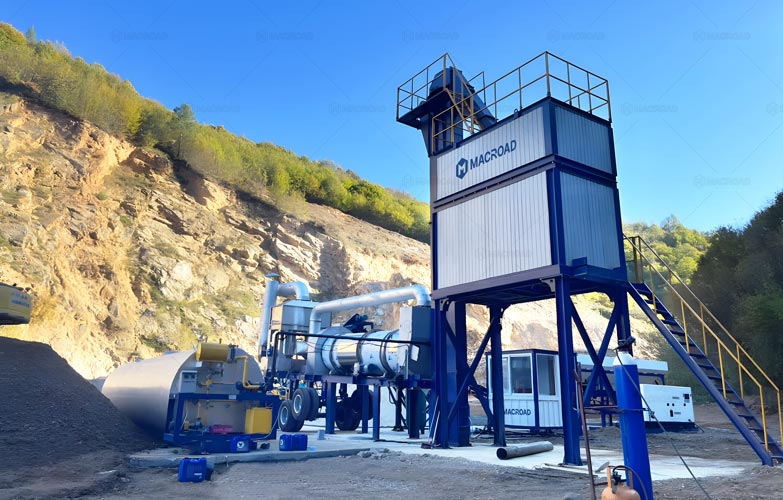
Operational Strategies for Mobile Asphalt Plants
Optimizing Production Efficiency
Mobile asphalt plants can be adjusted to meet the specific production needs of each project. Small asphalt plants are particularly useful for short-term projects or areas with limited demand, offering production rates from 20 to 60 tons per hour. Drum mix asphalt plants(Planta de asfalto continua y discontinua), on the other hand, provide continuous production at higher capacities for large-scale road construction or port expansion projects.
Operators can maximize efficiency by scheduling production during cooler parts of the day to reduce heat loss in tropical coastal climates. Automated control systems in modern plants allow for precise adjustments to mixing and heating, maintaining consistent quality under varying environmental conditions.
Temperature Management and Quality Control
Maintaining optimal temperature is critical for asphalt quality. In humid and tropical coastal areas, rapid cooling can affect binder adhesion and compaction. Mobile asphalt plants often include insulated silos, heated conveyors, and precise temperature control for both aggregates and asphalt binder. Small asphalt plants may use modular heating systems that ensure consistent mixing, even during transportation between sites.
Drum mix asphalt plants are particularly effective for continuous monitoring of temperature. Automated systems track the temperature of incoming aggregates, the dryer, and the binder, allowing operators to make real-time adjustments to prevent segregation, premature cooling, or inconsistent compaction.
Adaptability to Project Scale and Location
One of the greatest advantages of mobile asphalt plants is their adaptability. For island projects or temporary coastal roadworks, mobile units can be relocated quickly, avoiding the need for permanent infrastructure. Small asphalt plants are suitable for low-volume projects such as rural roads, airport taxiways, or port access routes, while drum mix asphalt plants provide the capacity needed for highways, urban expansions, and industrial zones.
For instance, an asphalt plant in Dominica Republic may be deployed to coastal towns to support harbor expansions or tourism-related infrastructure. By choosing the appropriate plant type and configuring it to local conditions, contractors can maintain consistent production quality, reduce logistics costs, and meet project timelines effectively.
Maintenance and Sustainability Considerations
Minimizing Downtime and Wear
Mobile and small asphalt plants require regular maintenance to ensure longevity, particularly in coastal environments where salt and humidity can accelerate wear. Drum mix asphalt plants also benefit from corrosion-resistant components and protective coatings on critical parts such as dryers, mixers, and storage silos. Regular inspection schedules, lubrication, and preventive maintenance help maintain reliable production capacity.
Energy Efficiency and Environmental Impact
Modern mobile asphalt plants often incorporate energy-saving technologies such as waste heat recovery, efficient burners, and low-emission dust collectors. These features are particularly valuable in coastal cities where environmental regulations may restrict emissions and dust. Small asphalt plants can also be paired with solar or hybrid power solutions to reduce energy consumption and carbon footprint.
By deploying environmentally-conscious asphalt plants, contractors can support sustainable urban development while maintaining compliance with local regulations and community standards.
Conclusion: Strategic Deployment Ensures Project Success
Deploying mobile asphalt plants in Latin American island countries and coastal cities requires careful planning, attention to local climate, and consideration of logistics and space constraints. Whether utilizing a small asphalt plant for temporary projects or a drum mix asphalt plant for large-scale operations, the key is to optimize production, maintain precise temperature control, and ensure rapid, efficient delivery of high-quality asphalt mixes.
For contractors and city planners, strategic deployment of mobile asphalt plants, including thoughtful site selection, layout optimization, and temperature management, is essential for meeting the challenges of island and coastal road construction. Asphalt plant in Dominica Republic(Planta de asfalto en República Dominicana) and other Latin American coastal regions demonstrates how flexibility, mobility, and modern technology enable successful projects that deliver durable and reliable infrastructure.
By leveraging the adaptability of mobile and small asphalt plants and the high-capacity efficiency of drum mix asphalt plants, road construction in challenging island and coastal environments can proceed smoothly, safely, and sustainably.