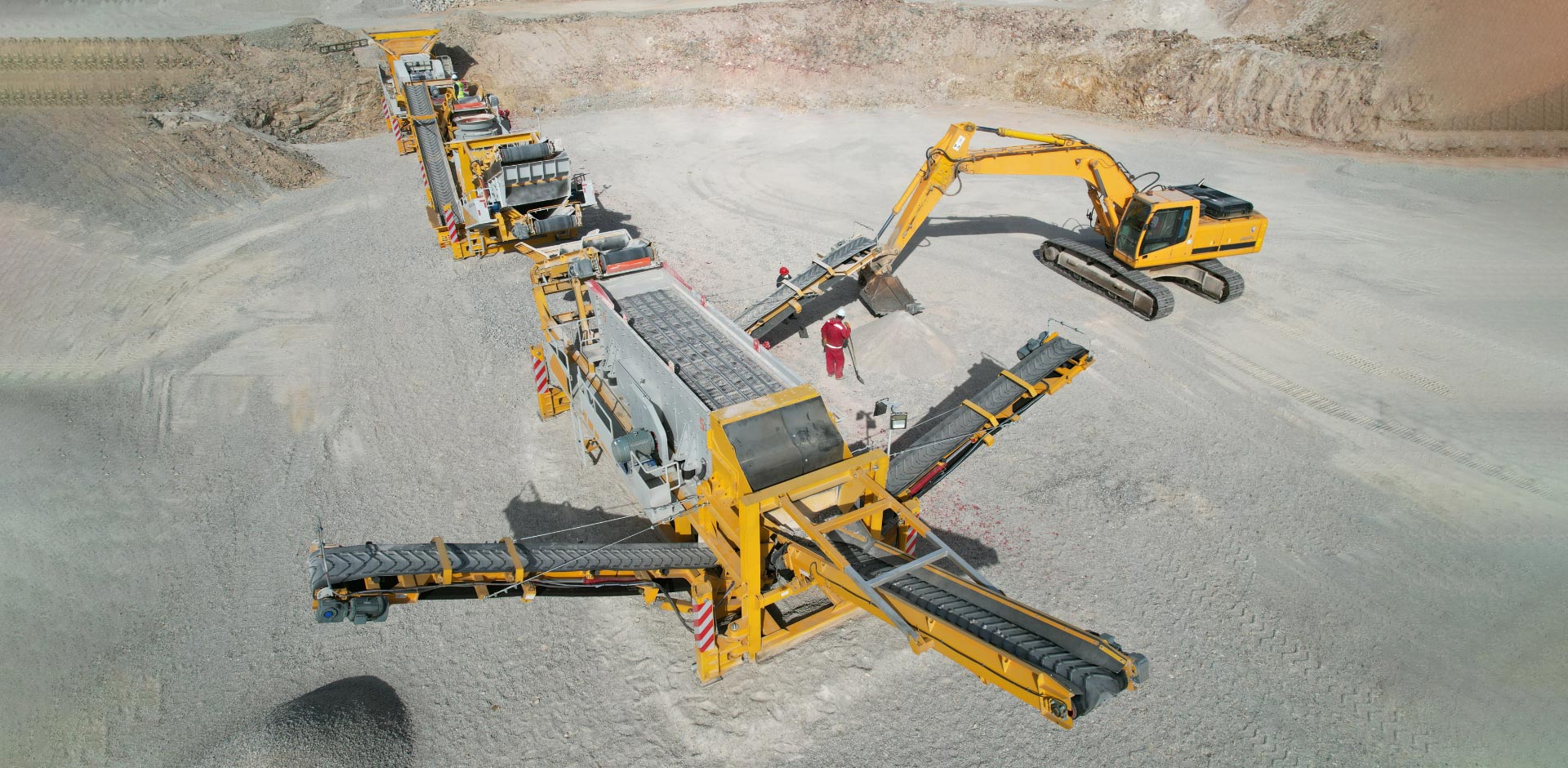
The notion that a single, generic crushing line can optimally process the staggering diversity of rock that emerges from the earth is not just naive—it’s a direct path to financial hemorrhage and mediocre product. Attempting to force unforgiving granite and more tractable limestone through an identical mechanical gauntlet is an exercise in profound inefficiency. Each rock type, defined by its unique mineralogy, compressive strength, abrasiveness, and cleavage, demands a bespoke mechanical conversation. The configuration of your stone crusher plant is not a matter of assembling equipment; it is an exercise in applied geomechanics and strategic fracturing. To treat granite and limestone with the same mechanical approach is to willfully ignore the fundamental properties that dictate wear rates, energy consumption, and, most critically, the final shape and value of every ton of aggregate you produce. Let’s dismantle this one-size-fits-all fallacy and build a compelling argument for geological specificity in crushing circuit design.
The Granite Gambit: A Strategy of Compression and Gradual Liberation
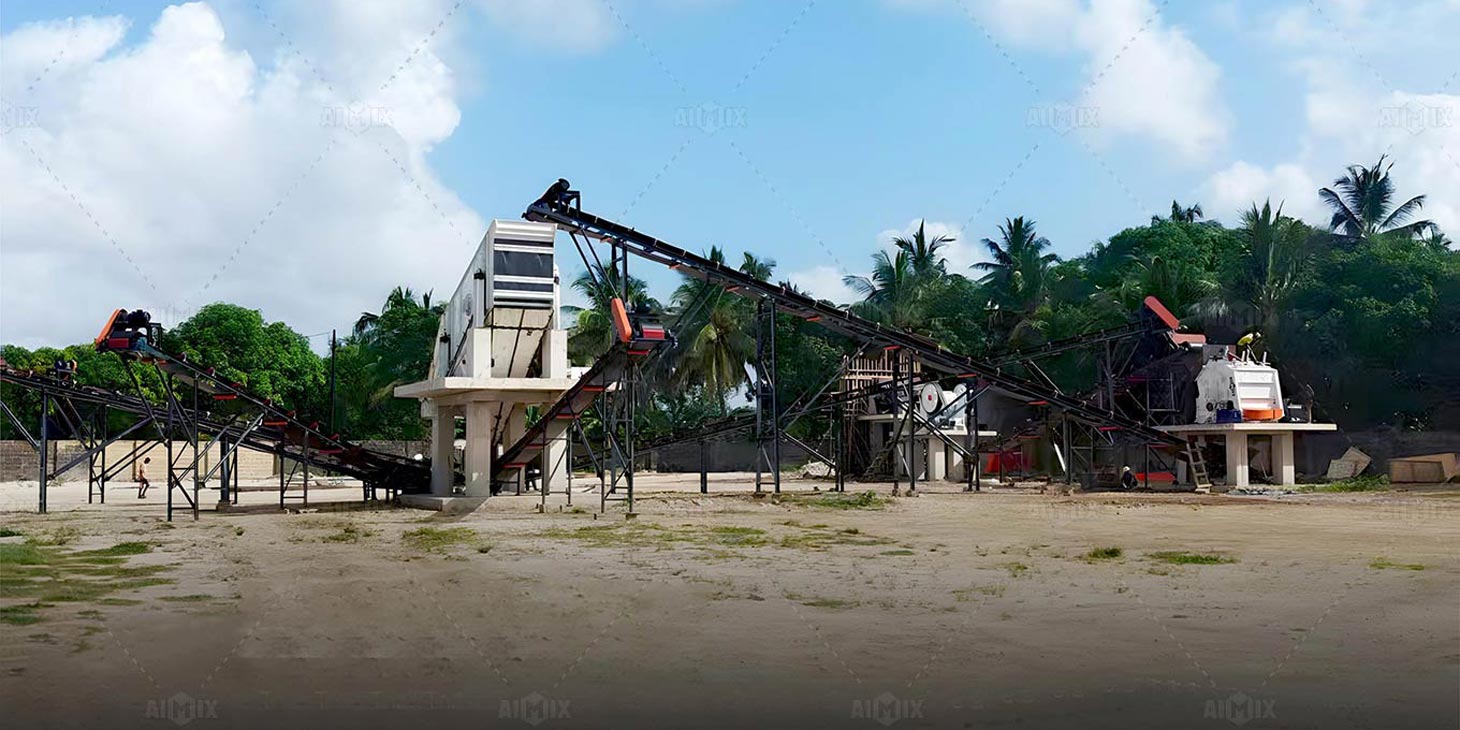
Granite is the quintessential hard rock adversary, a crystalline matrix of quartz, feldspar, and mica that demands respect and a specific tactical approach. Its high compressive strength and severe abrasiveness punish indecisive or ill-suited machinery. The objective with granite is not rapid demolition, but controlled, progressive fragmentation.
Primary Assault: The Indispensable Jaw Crusher
The opening move against granite is non-negotiable: a robust, heavy-duty jaw crusher. This machine’s compressive, “nipping” action is the only appropriate method for initiating fracture in this tenacious material. An impact limestone crusher at this primary stage would be prematurely devastated by abrasion and struggle to achieve the necessary reduction ratio. The jaw crusher’s role is to perform the initial, high-energy breakage, creating a manageable feedstock while minimizing the generation of excessive, irreparable flakiness. Its closed-side setting (CSS) is the first critical command in the entire granite reduction symphony.
Secondary and Tertiary Refinement: The Cone Crusher Dominion
Following the jaw, the circuit must remain in the realm of compression. Cone crushers are the undisputed masters of the secondary and tertiary stages for granite. Their interparticle, layered crushing action in a choked chamber is perfect for gradually reducing the rock while actively promoting a cubical particle shape. This multi-stage cone crusher approach—often involving a secondary standard cone and a tertiary short-head cone for finer reduction—allows for meticulous control over product gradation. It systematically works the granite down, managing its abrasiveness through staged wear rather than absorbing a catastrophic assault on a single machine. This measured, compressive strategy is the only way to produce the high-value, specification aggregate granite is capable of yielding.
The Limestone Lexicon: Efficiency, Shaping, and Value Maximization
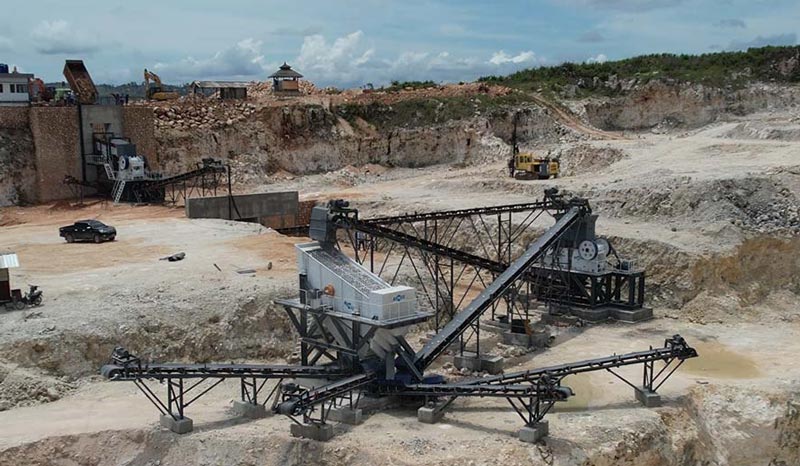
Limestone presents a different set of opportunities and challenges. Typically less abrasive and more frangible than granite, it allows for a more diverse and often more efficient mechanical toolkit. The goal shifts from progressive liberation to precise shaping and the maximization of product yield, especially in the crucial sand fractions.
The Primary Flexibility: Jaw or Impact?
For softer limestone formations, a primary impact crusher becomes a viable, and sometimes superior, option to a jaw crusher. An impact crusher at this stage can achieve a higher reduction ratio in a single pass and often produces a more favorably shaped product from the outset. However, for denser, harder limestone, the dependable jaw crusher remains the safe and effective primary choice. This initial decision hinges on a precise analysis of the quarry’s specific geology—there is no dogma, only optimization based on uniaxial compressive strength tests and abrasion indices.
The Sand-Making Imperative: The VSI’s Finishing Mastery
This is where limestone processing truly diverges and captures exceptional value. The Vertical Shaft Impactor (VSI) is the star of the limestone circuit. While a cone crusher may handle secondary duties, the VSI is deployed for tertiary reduction and, most importantly, for manufacturing premium, specification-grade sand. Its high-velocity “rock-on-rock” or “rock-on-anvil” action is perfect for fracturing limestone along its natural cleavages, creating cubical, well-shaped fines. This ability to produce a high-margin manufactured sand product from the quarry’s own resources is a game-changing economic lever that a granite-centric circuit often lacks.
The Unifying Architecture: Screening, Flow, and Circuit Intelligence
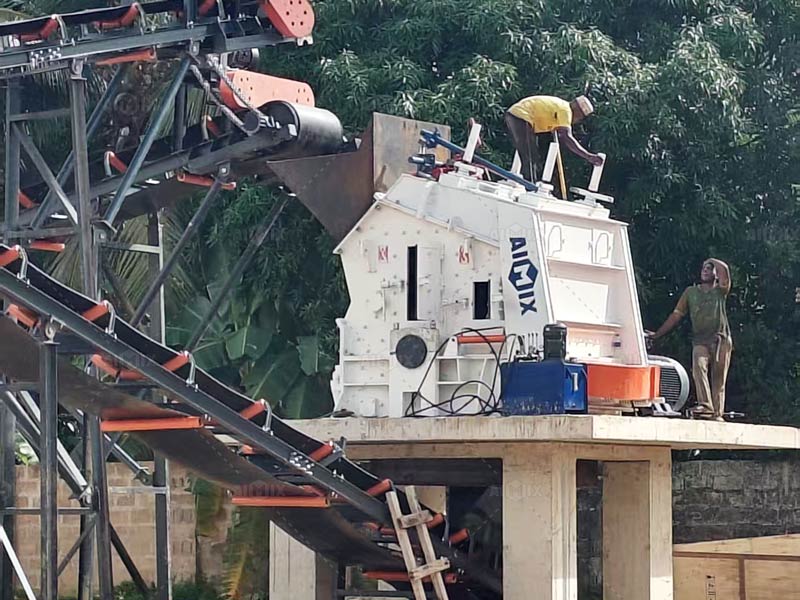
Regardless of the rock type, the genius of an effective aggregate crusher plant lies in its supporting architecture—the systems that govern flow, ensure quality, and maintain operational rhythm. This is the domain of intelligent circuit design.
The Command Center: Strategic Screening and Recirculation
The vibrating screen is the circuit’s brain, not a passive accessory. In a well-configured line, screening is deployed at multiple stages for both scalping (removing fines before crushing) and closed-circuit control. The closed-circuit loop, where oversize material is recirculated back to the crusher, is non-negotiable for product consistency. For limestone, washing screens or classifiers are often integrated to cleanse sand products, a step less common in dry granite processing. The screening strategy must be as tailored as the crusher selection.
Conveying, Feeding, and the War on Downtime
A crushing line is a continuous-flow system. Robust, correctly sized conveyors with adequate transfer points are the circulatory system. Precision feeding equipment, like vibrating grizzly feeders, ensures a steady, controlled flow of material into the primary crusher, preventing choke-feeding or starve-feeding that disrupts efficiency. Furthermore, smart design incorporates accessibility for maintenance, easy-wear part replacement, and strategic dust suppression. A line configured for granite will prioritize ultra-heavy-duty components at transfer points, while a limestone line might integrate more washing and slurry handling. The goal is identical: to create a seamless, reliable, and logical material flow that maximizes uptime.
The Configurator’s Mindset: Geology as Blueprint
The ultimate argument is this: your quarry’s geology is the only legitimate blueprint for your rock crushing plant. Configuration begins not with equipment catalogues, but with core samples, lab reports, and a clear product strategy.
Product Portfolio Dictates Process
Are you aiming for high-volume road base, premium concrete aggregate, or architectural-grade sand? Each product target, for each rock type, suggests a different mechanical path. A granite quarry targeting railway ballast requires a different output than one producing chips for terrazzo. A limestone plant supplying a ready-mix concrete market has different needs than one feeding a cement kiln. Your desired product portfolio is the primary driver that focuses the configuration, determining the number of stages, the type of final sizing, and the need for washing or specialized shaping.
The Total Cost of Ownership Revelation
The right configuration is measured not by lowest sticker price, but by lowest cost per ton over the plant’s lifetime. A line perfectly tuned to your specific rock will operate with optimal energy efficiency, predictable wear part consumption, and minimal unscheduled downtime. It will produce a higher percentage of saleable, in-spec product with less waste. A mismatched line, however, will be a constant source of expensive surprises—catastrophic wear, excessive fines generation, and an inability to meet key specifications. Investing in the correct configuration from the outset is the most powerful financial decision a quarry operator can make. It is the difference between fighting your geology and having it work profitably for you. Configure intelligently, or prepare to be crushed by your own inefficiency.